
How Long Does Planning Permission Last?

Planning permission allows a proposed development to proceed subject to the conditions attached to the approval. However, planning permission is not generally open-ended. A time limit is normally attached to the permission, meaning development must begin within a specified period.
How Much Does Planning Permission Cost?
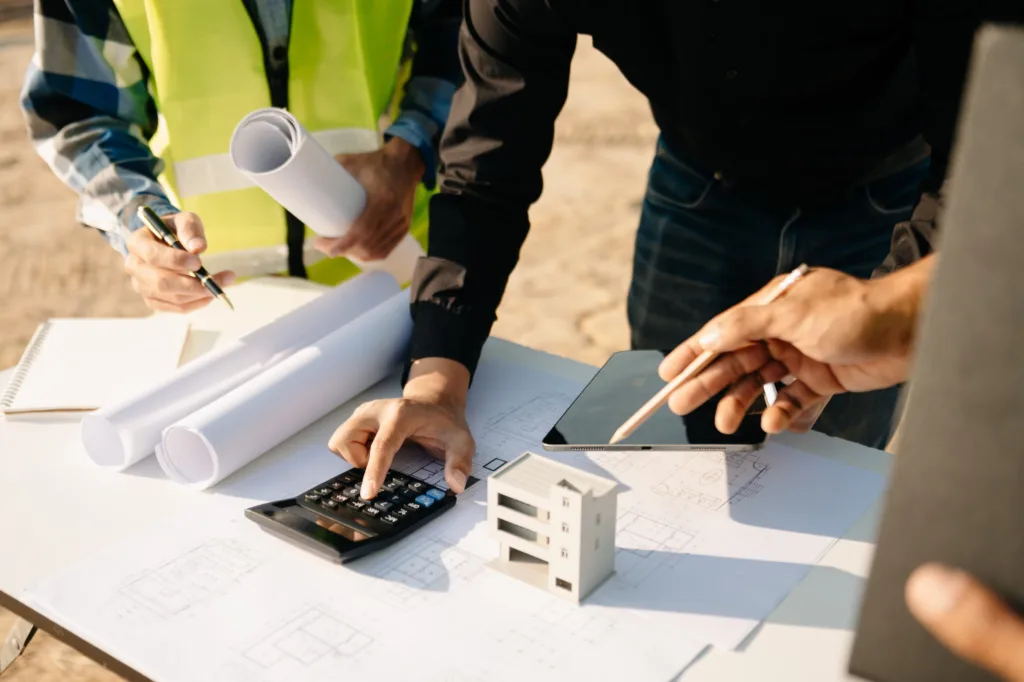
Planning permission is an important consideration for many property development projects, from house extensions and conversions to new-build homes and changes of use. One of the first things property owners often want to know is how much a planning application will cost.
How Long Does Planning Permission Take?
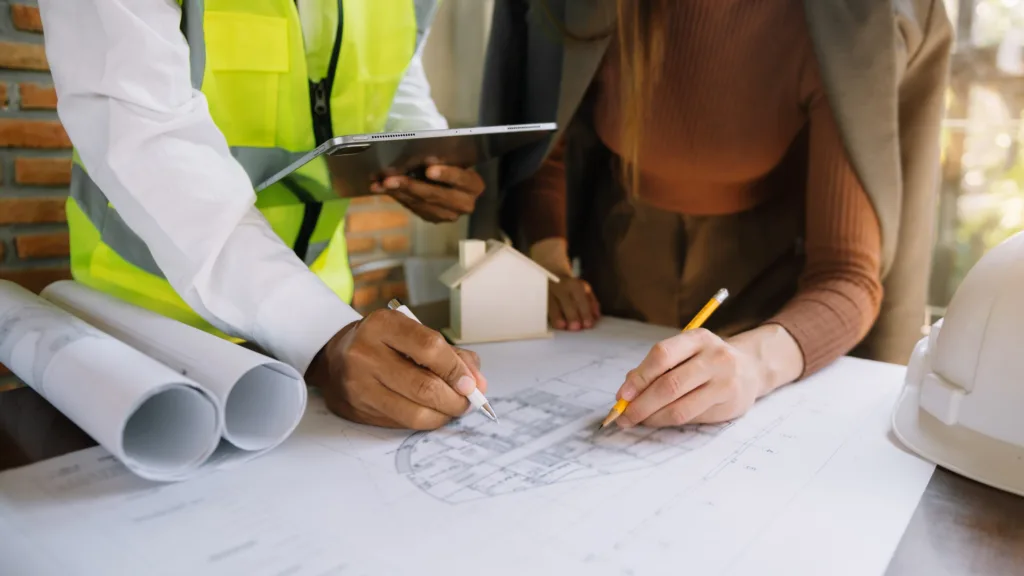
Applying for planning permission is an important stage in many property development projects. Whether you are working on an extension, a conversion, a new build, or a change of use, having knowledge of the length of time the planning process may take will allow you to plan your project accordingly.
When Is Planning Permission Required?

Planning permission is required for many types of development that involve building work, changes to the use of land or property, or significant alterations to an existing building. However, not every project requires a planning application. Some types of work may be covered by permitted development rights, while others may require a different form of […]
How To Apply For Planning Permission

Applying for planning permission is an important step when a proposed development requires approval from the local planning authority. Whether you are planning a house extension, loft conversion, new build, change of use or another type of development, understanding the application process can help you prepare the right information and avoid unnecessary delays.
Permitted Development For Listed Buildings: What You Can Build Without Planning Permission
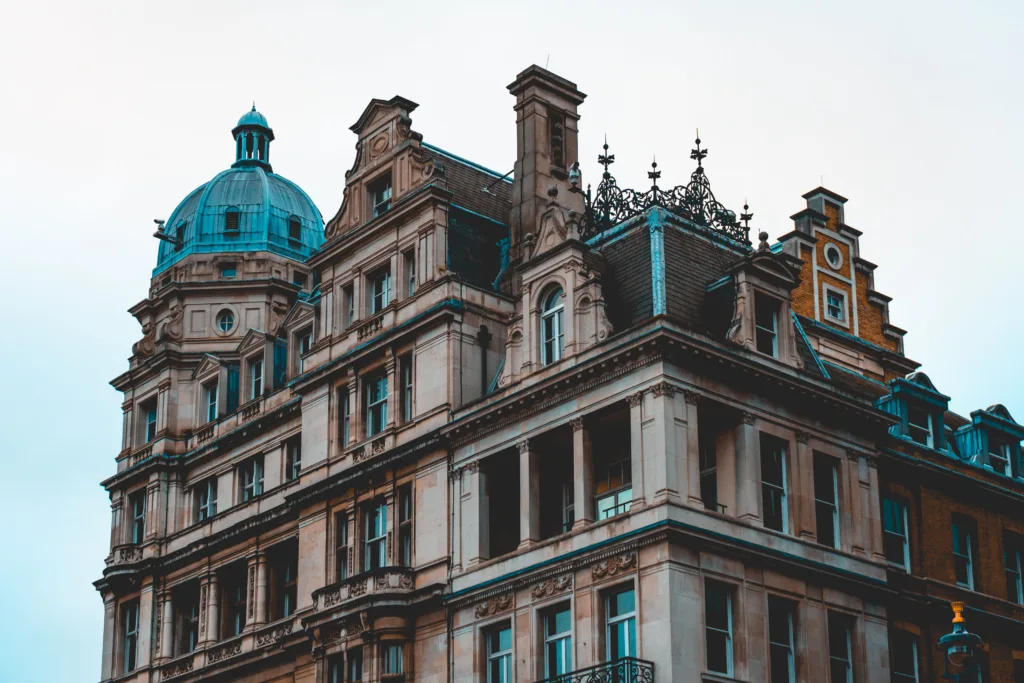
Permitted development rights allow certain types of building work to be carried out without submitting a standard planning application, provided the relevant conditions and limitations are met. However, listed buildings are subject to additional controls because of their architectural and historic interest.