
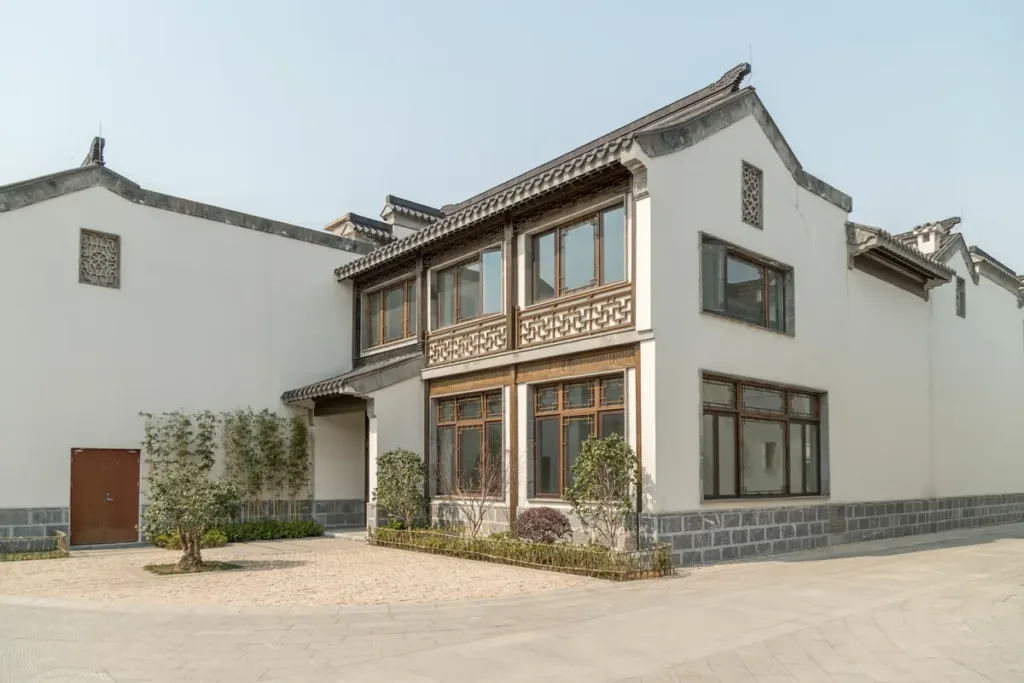
Introduction to House Extension Planning Appeals in Manchester
Adding an extension to your home is a significant investment that can provide you with much-needed space and increase your property’s value. However, navigating the planning permission process for house extensions can often be complex, particularly in large urban centres like Manchester. Many homeowners find themselves facing planning refusals, which can be discouraging and costly. The good news is that if your house extension planning application has been refused, you have the right to appeal the decision. In this comprehensive guide, we will explore everything you need to know about house extension planning appeals in Manchester, why applications get refused, how the appeal process works, and how Studio Charrette can guide you towards a successful outcome.
Understanding the Planning Permission Process in Manchester
Before delving into the appeals process, it’s important to understand how the planning system functions in Manchester. The local planning authority (LPA), typically Manchester City Council, assesses every application for house extensions based on a set of policies and guidelines. These include the Manchester Local Plan, national planning policy, and supplementary planning documents that apply to your neighbourhood or conservation area.
When you submit a house extension proposal, the council’s planning officers will evaluate various factors such as:
- The design and scale of the extension
- The impact on neighbouring properties (privacy, overshadowing, loss of light)
- Parking and access arrangements
- Effect on the character of the area
- Compliance with specific planning restrictions (such as conservation areas, listed buildings, or Article 4 Directions)
Unfortunately, even well-designed proposals are sometimes refused—often due to interpretation differences, changing local priorities, or neighbour objections. This is where house extension planning appeals in Manchester become crucial for homeowners determined to realise their vision.
Common Reasons for House Extension Planning Refusals in Manchester
Understanding why planning applications for house extensions get refused in Manchester can help you build a stronger appeal. Common reasons include:
- Excessive Scale or Massing: If your extension is considered too large in relation to the original house or negatively impacts neighbouring properties, the council may refuse the application.
- Loss of Light or Privacy: Extensions that significantly overshadow adjoining homes, invade privacy, or reduce amenity can trigger objections and subsequent refusals.
- Incompatible Design: Designs that don’t respect the character, appearance, or heritage of the local area—especially in conservation zones—may be refused.
- Insufficient Parking or Access: If your proposal results in inadequate parking provision or creates unsafe access points, permission may be denied.
- Failure to Meet Policy Standards: Sometimes, refusals are based on very specific guidance or supplementary planning policies unique to certain parts of Manchester.
- Objections from Neighbours: While not a direct reason for refusal, strong opposition—if well-founded—can significantly influence the council’s decision.
Receiving a refusal can feel like a setback, but with the right expertise and approach, it’s often possible to overturn the decision through a planning appeal.
The Planning Appeal Process for House Extensions in Manchester
If your planning application for a house extension in Manchester has been refused, you have the statutory right to appeal the decision within six months of the refusal notice (or 12 weeks for householder applications). Appeals are usually handled by the Planning Inspectorate, an independent government body.
The appeal process involves the following key steps:
- Reviewing the Refusal Notice: Carefully analyse the reasons your application was refused. Look for policy references and specific objections.
- Seeking Professional Advice: Engaging planning experts like Studio Charrette is highly recommended, as we can provide an impartial assessment and suggest workable solutions.
- Preparing the Appeal Statement: A robust written statement must address each refusal reason, referencing relevant planning policy and precedent. This should also include technical evidence, drawings, and supporting documentation.
- Submitting the Appeal: Appeals are submitted online to the Planning Inspectorate, along with supporting documents and your grounds for appeal.
- Inspectorate Review: The inspector appointed to your case will review all documentation. For most householder appeals, there is no hearing—decisions are made based on written submissions.
- Decision: The inspector issues a decision, either granting or refusing permission. If successful, you receive formal planning consent; if unsuccessful, further recourse is limited, but effective strategies may still exist.
Types of Planning Appeals for Extensions
Not all planning appeals are the same, and the process may differ slightly depending on the scale and complexity of your extension. The most common types of appeals for house extensions in Manchester include:
- Householder Appeals: For minor extensions or alterations to houses, such as rear or side extensions. These are typically decided quickly and do not usually involve a public hearing.
- Written Representation Appeals: For slightly more complex cases. Both you and the council submit written statements and evidence for review.
- Hearing or Inquiry Appeals: Rarely, larger projects or contentious cases may be decided through a more formal hearing or inquiry, where evidence is presented, and witnesses may be called.
For the majority of homeowners seeking a straightforward extension, the householder appeal process offers a quick and effective route to overturning an unjust refusal.
The Importance of Professional Representation
House extension planning appeals in Manchester are an intricate blend of local policy understanding, technical argumentation, and persuasive writing. Many appeals fail because applicants do not address the precise policy issues or provide insufficient justification for their proposal. This is where Studio Charrette’s unrivalled planning expertise comes into play.
Having handled hundreds of planning applications and appeals—many within Manchester’s diverse neighbourhoods—our team can analyse your refusal in detail, draft a compelling appeal statement, and marshal the specialist reports or plans needed to support your case. We understand not only the nuances of the Manchester Local Plan, but also the attitudes and priorities of local committees and officers.
By trusting a professional like Studio Charrette, you dramatically increase your chances of a successful house extension planning appeal in Manchester—not only saving time and stress, but also safeguarding your investment in your home.
Preparing a Strong Case for Appeal
Every case begins with a detailed review of the council’s refusal notice, coupled with a clear understanding of your goals for the extension. Studio Charrette’s approach involves:
- Forensic Policy Analysis: Examining the specific local and national planning policies cited in the refusal notice, and researching precedent appeal outcomes in the same locality.
- Design Review: Considering whether simple modifications, such as reducing scale, altering setbacks, or tweaking the roof profile, could address the council’s concerns without compromising your vision.
- Neighbour Relations: Engaging proactively with any objectors to understand their viewpoints and seeing whether changes could allay their fears, thus strengthening the case for approval.
- Expert Inputs: Commissioning daylight/sunlight assessments, highways analysis, or heritage reports—where relevant—that provide independent, technical evidence in support of your proposal.
- Persuasive Written Statement: Crafting a compelling, policy-driven narrative that systematically addresses each point of refusal and demonstrates why the extension is appropriate and in the public interest.
This rigorous, multi-pronged appeal strategy is crucial to turning a planning refusal into an approval—and is the hallmark of the service Studio Charrette provides for house extension planning appeals in Manchester.
Navigating Loft Conversion Planning Appeals in Manchester
A refused loft conversion application does not have to mark the end of your project. Across Manchester, many homeowners successfully overturn planning refusals through the appeals process by presenting stronger evidence, refining designs, and demonstrating clear compliance with local and national planning policy. Loft conversion planning appeals in Manchester are ultimately about proving that a proposal can deliver additional living space without causing unacceptable harm to neighbours, local character, or the wider environment.
Successful appeals are typically built on careful preparation and a detailed understanding of the reasons for refusal. Whether the concerns relate to overlooking, overdevelopment, conservation area sensitivities, parking pressures, or design quality, the appeal process provides an opportunity to respond directly to those issues with technical evidence and professionally prepared planning arguments.
Importantly, planning inspectors assess each case independently from the local council. This means that a refusal is not necessarily an indication that a proposal is fundamentally unacceptable. Many appeals succeed because applicants are able to demonstrate policy compliance, present local precedents, or revise aspects of the design to reduce impacts identified during the original application process.
For homeowners in Manchester, the key to a strong appeal lies in early expert involvement, realistic assessment of the project’s strengths and weaknesses, and the preparation of a comprehensive, evidence-led submission. Even in sensitive areas such as conservation zones or tightly constrained urban settings, carefully considered loft conversions can often secure approval through appeal.
Studio Charrette works closely with clients throughout the appeals process, providing strategic advice, planning expertise, and tailored design solutions that maximise the chances of a successful outcome while ensuring projects remain practical, compliant, and sympathetic to their surroundings.


