
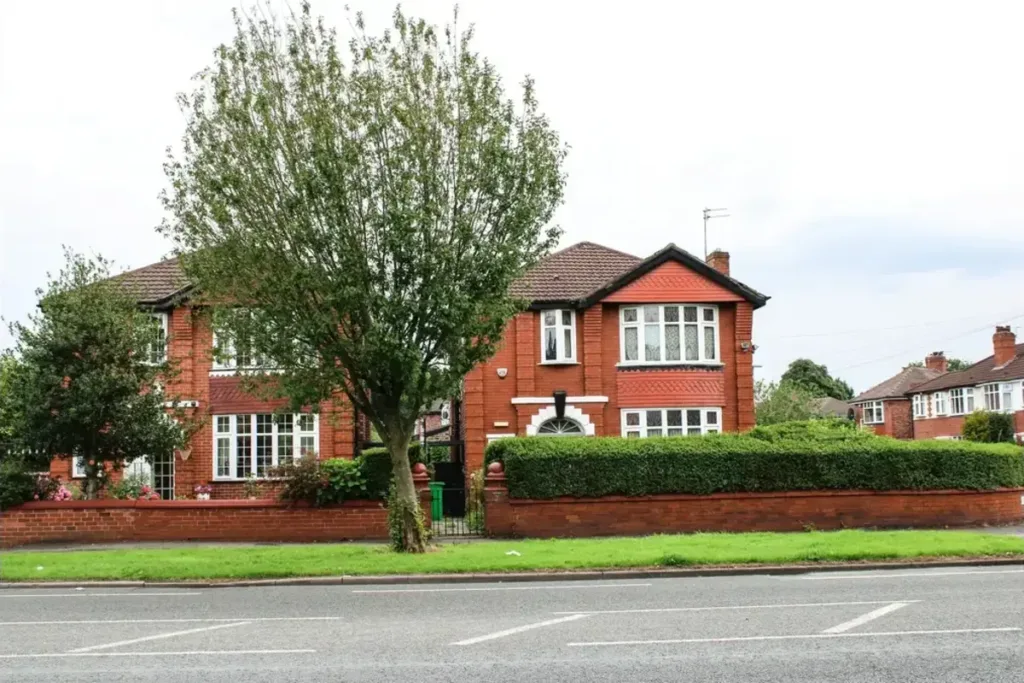
In recent years, adding house extensions has become a popular option for homeowners in Birmingham who wish to create more living space, upgrade their properties, or increase market value without moving. However, while the idea of a house extension is appealing, the process often faces hurdles, most notably planning objections. At Studio Charrette, we appreciate how important it is for our clients to be well-informed about the house extension planning objections in Birmingham. This comprehensive guide will walk you through everything you need to know to prepare, prevent, and resolve objections, streamlining your journey to your dream extension.
What are House Extension Planning Objections?
When an application for a house extension is submitted to the Birmingham City Council or any local planning authority, it is open to scrutiny from multiple parties. Objections are formal expressions of concern, disagreement, or disapproval about the proposed development. These can come from neighbours, community groups, statutory consultees, or even the council’s own planning officers.
Understanding the most common house extension planning objections in Birmingham and how they can be addressed is vital for a successful application.
Who Can Object to a House Extension Planning Application in Birmingham?
When you submit a planning application, the local planning authority (LPA) in Birmingham will notify neighbouring properties and publish the application online, inviting comments or objections. The following groups or individuals can raise objections:
- Adjacent neighbours: Those who live next to, behind, or opposite your property.
- Members of the wider community: Anyone with a legitimate interest in the development.
- Local councillors or MPs: Elected officials who represent the local area.
- Statutory consultees: Organisations such as highways, environmental health, or conservation bodies.
- Residents’ associations and local amenity groups: Especially in conservation zones.
All comments and objections must focus on “material planning considerations” rather than private interests or personal dislikes.
Material Planning Considerations: What Grounds Are Valid for Objection?
Birmingham City Council must base its decisions on whether to approve or refuse planning permission on material planning considerations. These include:
- Loss of light or overshadowing
- Loss of privacy due to overlooking
- Visual and environmental impact (design, character, appearance)
- Highway safety and parking issues
- Overdevelopment or “cramming”
- Impact on trees, wildlife, and biodiversity
- Noise, fumes, or general disturbance
- Flood risk or drainage concerns
- Impact on the heritage or conservation assets
Comments based solely on loss of view, reduction in property value, or personal disputes are not considered.
Most Common House Extension Planning Objections in Birmingham
Over the years, certain objections have emerged as more frequent in-house extension planning decisions across Birmingham. These include:
- Loss of Light: New extensions that block sunlight to neighbouring windows or gardens can lead to objections based on overshadowing.
- Loss of Privacy: Overlooking windows or balconies directly into neighbour properties.
- Out of Character with the Area: Extensions not in keeping with the prevailing style or scale of the locality.
- Impact on Parking Provision: Reducing off-road parking or increasing on-street congestion.
- Noise and Disturbance: Concerns that a larger dwelling will be noisier or cause disruption during construction.
- Drainage and Flooding: Extensions on sites with known flooding issues or poor drainage.
- Overdevelopment: Where the scheme leaves little private space or appears ‘shoehorned’ into the plot.
- Heritage Impact: Especially prominent in conservation areas or where the building is listed.
At Studio Charrette, we help our clients anticipate and mitigate these concerns at the design stage.
The House Extension Planning Process in Birmingham
Knowing the planning application process in Birmingham can help you proactively address objections:
- Pre-application Advice: Engaging with the council or a planning expert like Studio Charrette early can highlight likely issues.
- Submission of Application: Detailed drawings and a planning statement are submitted to the council.
- Consultation Period: There is a statutory period (often three weeks) for public comments and objections.
- Consideration & Officer Report: Planning officers review comments and objections, factoring them into their recommendation.
- Decision: The council issues approval, conditional approval, or refusal.
- Appeal: If refused, you can appeal to the Planning Inspectorate.
How Objections Affect the Outcome
A single objection does not mean your house extension planning application will be refused. Objections become influential when they raise legitimate planning concerns supported by evidence or when accompanied by several voices. Planning officers must assess objections on merit and against local and national policy. However, a significant volume of reasonable objections—especially where they raise compliance issues—can sway the decision.
The planning committee, if involved, must also take objections into account but can override public opinion where professional assessments justify approval.
How to Minimise or Prevent House Extension Planning Objections in Birmingham
Proactively reducing the likelihood of objections can make your extension project smoother and less stressful:
- Engage with Neighbours Early: Letting neighbours know your intentions and explaining your plans can allay fears and foster goodwill.
- Professional Design: Use architects and planning consultants familiar with Birmingham’s planning framework and prevalent objections.
- Sensitivity to Character and Design: Respect the architectural style and set a sympathetic scale/massing to the surroundings.
- Address Privacy and Light: Avoid windows or balconies that directly overlook neighbours. Consider sun path analysis or setbacks to reduce overshadowing.
- Comply with Policies: Ensure your plans align with Birmingham’s Local Plan, design guides, and supplementary planning guidance.
- Submit Comprehensive Information: Detailed drawings, CAD visuals, planning statements, and relevant assessments increase transparency.
- Listen and Adjust: If feedback or a pre-application meeting highlights potential issues, consider reasonable design amendments.
Studio Charrette specialises in preparing applications that minimise risk and address likely house extension planning objections in Birmingham.
Responding to Objections: The Role of Studio Charrette
If objections arise—either before or after submission—Studio Charrette can help you respond:
- Detailed Planning Statements: These explain how the design addresses or mitigates concerns raised.
- Technical Evidence: Sunlight/daylight studies, privacy analysis, noise assessments, and other reports can disprove or alleviate specific concerns.
- Negotiation: Our team can engage directly with objectors or planners to clarify misconceptions or negotiate amendments that address material concerns.
- Representation: We can advocate on your behalf at planning committee meetings, ensuring your voice is heard.
Responding professionally and factually is more effective than an emotional argument.
Navigating House Extension Planning Objections Successfully in Birmingham
House extension planning objections in Birmingham are a natural part of the planning process, particularly in a city where housing density, architectural variety, and conservation priorities all play a significant role in decision-making. However, objections should not be viewed as a barrier to progress. In most cases, they simply highlight areas where a proposal needs refinement to better align with planning policy and local expectations.
The key themes behind most objections—privacy, loss of light, design impact, parking pressure, and neighbourhood character—are all manageable when addressed early in the design process. Well-considered layouts, sympathetic architectural detailing, and clear supporting evidence can significantly reduce the likelihood of conflict and improve the chances of approval.
Importantly, the outcome of any application is not determined by objections alone, but by how well the proposal responds to them in the context of Birmingham City Council’s planning policies. This is why preparation, design quality, and policy awareness are so critical from the outset.
For homeowners, the most effective approach is proactive rather than reactive. Anticipating concerns, engaging with neighbours early, and ensuring the scheme is properly justified can prevent many objections from arising in the first place. Where objections do occur, they can often be resolved through minor amendments or technical clarification rather than major redesign.
With expert guidance from planning specialists such as Studio Charrette, house extension projects in Birmingham can move through the planning system with greater confidence, turning potential objections into manageable discussions and ultimately into approved, successful developments that enhance both homes and neighbourhoods.


