
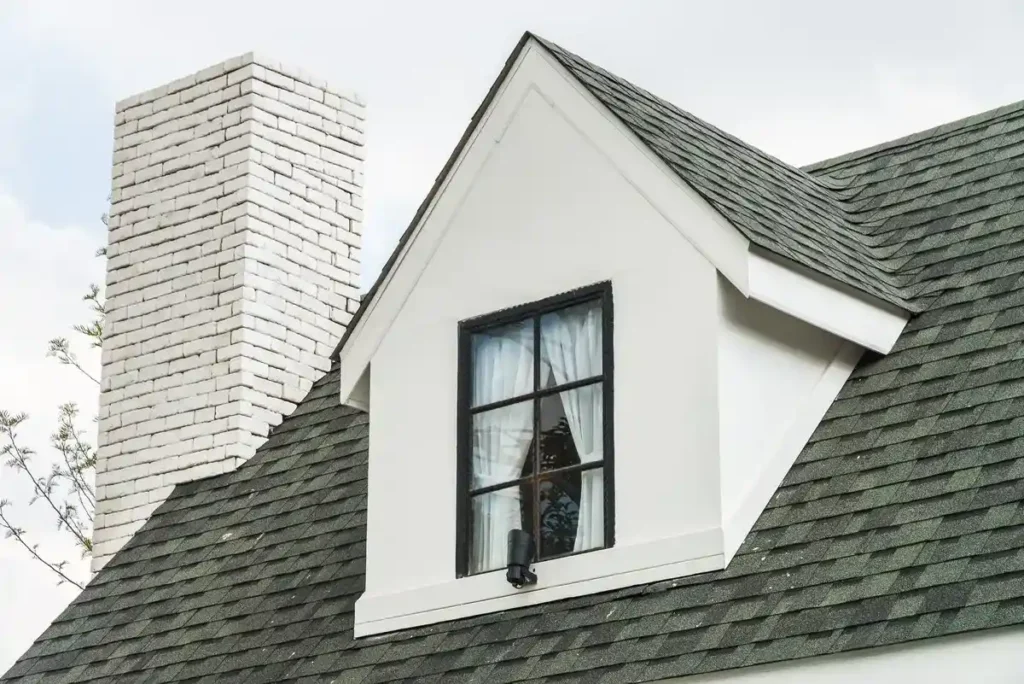
Introduction to Loft Conversion Planning Objections in Sheffield
Loft conversions are an increasingly popular way for homeowners in Sheffield to add living space, increase property value, and modernise their homes. However, one of the key hurdles in the process is navigating the complex landscape of planning permissions and, more critically, handling loft conversion planning objections in Sheffield. These objections can arise from various parties, including local authorities, neighbours, and heritage groups. In this comprehensive guide, Studio Charrette explains the main reasons behind loft conversion planning objections Sheffield homeowners might face, how to prepare for and respond to objections, and offers strategies for a successful planning process.
Understanding Loft Conversion Planning in Sheffield
Before delving into the specifics of objections, it’s essential to understand the legal and procedural framework governing loft conversions in Sheffield. The city council follows stringent guidelines intended to balance development with the preservation of neighbourhood character and resident well-being. While many loft conversions fall under permitted development rights, certain factors—like living in a conservation area, property type, or extensive alterations—can trigger the need for planning permission.
Applying for planning permission involves submitting a detailed proposal to Sheffield City Council, outlining the architectural plans, intended use, and a statement of impact. Once submitted, the council typically consults neighbours, solicits public comments, and reviews the plans for compliance. This is the juncture where “loft conversion planning objections Sheffield” most often arise.
Common Types of Loft Conversion Planning Objections Sheffield Homeowners Encounter
Loft conversion proposals can attract objections from a range of sources. Understanding these common issues can better prepare you for what to expect:
- Loss of Privacy: Neighbours often raise concerns about new windows or balconies overlooking their gardens or homes.
- Overlooking and Overshadowing: The increased height or new structures may cast shadows or allow intrusive lines of sight into adjacent properties.
- Change in Character: Especially in conservation areas, alterations to rooflines or exterior materials can be argued as detrimental to local character.
- Over-development: Adding too much volume to an existing home or converting small properties may be seen as cramming, affecting parking or green spaces.
- Impact on Amenity: Increased noise, dust during construction, or perceived reduction in property values can all lead to objections.
- Highway Safety and Parking: More bedrooms can mean more cars, a particular issue in densely built Sheffield neighbourhoods with limited on-street parking.
- Ecological Impact: Rare, but sometimes objections arise based on the potential disturbance to protected species, such as bats in loft spaces.
Who Can Object to a Loft Conversion Planning Application?
Loft conversion planning objections in Sheffield can come from various stakeholders:
- Immediate Neighbours: Those living next door or across from the planned development are usually notified and have the opportunity to comment.
- Local Residents’ Associations: Especially in conservation areas, these groups are vigilant about preserving local character.
- Councillors and MPs: Elected officials can voice constituent concerns, though their opinion carries no direct legal standing.
- Statutory Consultees: Agencies such as Natural England or Historic England may have a say if public or environmental interest is at risk.
- The General Public: Anyone can technically object to a planning application, although objections must relate to material considerations.
Procedural Timeline for Loft Conversion Planning Objections Sheffield
Understanding the timeline is crucial. Upon receiving a planning application, Sheffield City Council opens a public consultation period—usually 21 days. During this window, interested parties can submit objections, supporting evidence, or comments. The planning case officer then collates all feedback, assesses the validity and weight of objections, and makes a recommendation. In contentious cases, the application may be called before the planning committee for a decision.
Material vs. Non-Material Planning Objections
One critical distinction is between material and non-material objections. Sheffield City Council, like all UK planning authorities, is obligated to consider only “material planning considerations.” Personal grievances, business competition, or loss of private views do not qualify. Instead, allowable objections must concern:
- Impact on local character and environment
- Privacy and amenity
- Traffic and parking
- Design and appearance
- Irreversible ecological harm
Understanding this distinction can help applicants and their architects address legitimate concerns from the outset, minimising the risk of delay or refusal.
How to Anticipate and Minimise Loft Conversion Planning Objections in Sheffield
Proactive planning is the best defence against objections. Here are some strategies recommended by Studio Charrette:
- Early Neighbour Engagement: Speak with neighbours before submitting plans. This shows goodwill and allows you to address their legitimate concerns early, reducing the chances of a formal objection.
- Design Sensitively: Where possible, position dormers and windows to avoid direct views into neighbours’ properties. Use obscure glazing or position balconies away from neighbouring gardens.
- Professional Drawings & Visuals: High-quality architectural models and photomontages can reassure objectors that the impact will be minimal.
- Consult Planning Professionals: Engage with experts like Studio Charrette, who understand Sheffield’s local planning context and can design proposals to pre-empt common objections.
- Respect Conservation Guidelines: If your property is in a sensitive area, use sympathetic materials and designs that blend with the existing streetscape.
Responding to Objections: What Happens Next?
If objections are raised, the Sheffield planning officer will review each one and determine if they are valid under planning law. Applicants may be asked to provide further details or modify the design. In some cases, amendments (like relocating a window, reducing the height, or using different cladding) can satisfy the main points of contention.
Clear, courteous communication is vital. Providing a written response to objections, demonstrating awareness and willingness to compromise, hugely enhances the chances of approval. Ignoring objectors or being combative generally inflames the process and can result in committee referral or outright refusal.
Case Study: Addressing Loft Conversion Planning Objections in Sheffield – A Successful Example
Consider the case of a Victorian terrace in Ecclesall, Sheffield. The owners proposed a rear dormer extension to create a master bedroom. Several neighbours objected on the grounds of overlooking and loss of character.
- Initial Objection: Neighbours claimed the dormer would overlook their gardens and be out of keeping with the terrace’s established roofline.
- Applicant Response: The architectural team altered the design, reducing the dormer’s protrusion and applying vertical cladding matching neighbouring originals. Obscure glazing was specified for the side-facing windows.
- Result: The planning case officer noted the applicant’s responsiveness and upheld the application, recommending approval. The main objectors withdrew their complaints.
This example highlights the importance of a flexible, community-oriented approach when facing loft conversion planning objections Sheffield-wide.
Loft Conversion Planning Objection Appeals in Sheffield
Even with diligent preparation, some applications may be refused based on sustained objections. Applicants in Sheffield have the right to appeal planning refusals. The appeals process, overseen by the Planning Inspectorate, involves submitting new evidence and sometimes formal hearings.
Tips for a successful appeal:
- Clearly outline how objections have been addressed in revised plans.
- Demonstrate compliance with Sheffield’s local development plan and national guidance.
- Submit supporting evidence, such as specialist reports (daylight, privacy, transport).
- Engage experienced planning consultants to prepare your appeal documentation.


