
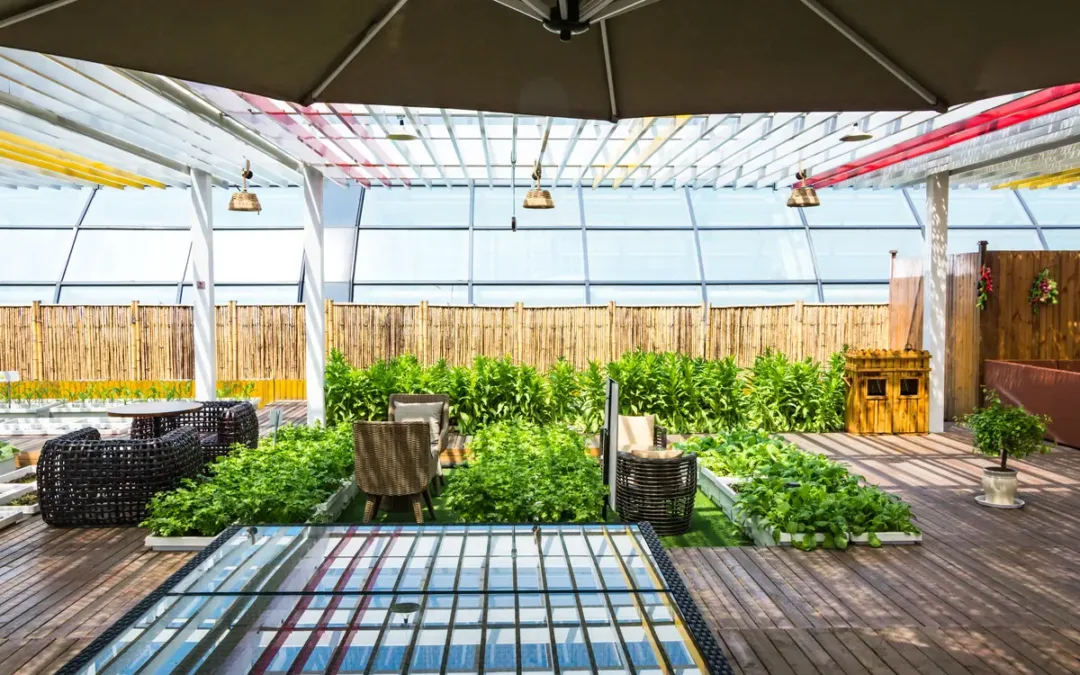
Garden rooms can provide useful additional space for home offices, studios, gyms, hobby rooms and other incidental uses. In many cases, a garden room can be built under permitted development rights without a full planning application. However, strict conditions apply, particularly regarding its size, height, position and intended use. Understanding these requirements before starting work can help ensure that the proposed garden room remains within permitted development limits and avoids potential planning enforcement issues.

Can a Garden Room Be Built Under Permitted Development?
Garden rooms can fall under permitted development rights where they are located within the curtilage of a house and meet the relevant requirements. They are generally treated as outbuildings and must be used for a purpose that is incidental to the enjoyment of the dwellinghouse. This can include uses such as a home office, gym, workshop, hobby room or games room. The building should not normally be used as a separate self-contained dwelling.
Permitted development rights for garden rooms generally apply to houses rather than flats or maisonettes, so the planning position needs to be checked carefully where the property is not a standard house.
Key Permitted Development Rules for Garden Rooms
A garden room must satisfy several conditions to benefit from permitted development rights.
Size and Site Coverage
The total area of buildings, enclosures and other structures within the curtilage that fall under the relevant restrictions must not cover more than 50% of the land around the original house. The calculation is based on the original dwellinghouse, rather than simply looking at the garden room in isolation. Existing extensions and other structures may therefore need to be taken into account.
Height Restrictions
The maximum height permitted depends on the type of roof and its position in relation to the property boundaries. Where any part of the garden room is within 2 metres of the boundary, the maximum overall height is generally 2.5 metres. Where the building is further from the boundary, different maximum height limits can apply. For example, a building with a dual-pitched roof can generally have a maximum height of 4 metres, while other roof types have lower limits.
Position of the Garden Room
A garden room must be located within the curtilage of the house and should not be positioned forward of the principal elevation of the original house where the relevant restriction applies. The location should be considered alongside the property’s existing layout, boundaries and any previous development.
Purpose and Use
The building must be for a purpose incidental to the enjoyment of the dwellinghouse. This is an important distinction. A garden room used as a home office or private gym may be considered incidental, whereas using the building as an independent home with its own kitchen, bathroom and living accommodation could raise a different planning issue. If the proposed use amounts to a separate dwelling or another material change of use, permitted development rights may not apply.
When Does a Garden Room Need Planning Permission?
Planning permission may be required if the garden room does not meet the permitted development conditions or if the proposed use falls outside what is allowed. This can happen where:
- The building exceeds the permitted height.
- The structure is too large.
- More than 50% of the land around the original house would be covered.
- The building is positioned where permitted development restrictions apply.
- The proposed use is not incidental to the dwelling.
- The property has had its permitted development rights removed.
- The site is subject to additional planning restrictions.
A garden room intended to provide independent residential accommodation should receive particular attention because it may not qualify as an incidental outbuilding.
Garden Rooms in Conservation Areas and Other Protected Locations//
The property’s location can affect permitted development rights. Additional restrictions can apply in conservation areas, National Parks, Areas of Outstanding Natural Beauty, World Heritage Sites and other designated areas.
Listed buildings also require particular care. Even where permitted development may technically apply, listed building consent could be necessary for works affecting the building or its setting. An Article 4 Direction can also remove or restrict permitted development rights in a particular area. Checking the property’s planning status and local restrictions before construction is therefore essential.
Can a Garden Room Be Used as a Home Office?
A garden room can generally be used as a home office where the use remains incidental to the enjoyment of the house. However, the way the building is designed and used matters. A simple workspace is different from creating an independent business premises that generates significant traffic, noise or other impacts. Where the use changes substantially from the original intended purpose, the planning position may need to be reconsidered.
Garden Rooms and Building Regulations
Planning permission and building regulations are separate matters. A garden room may benefit from permitted development rights but still needs to comply with building regulations depending on its size, construction and intended use. For example, a garden room designed for regular occupation may need to address insulation, structural stability, ventilation, electrical installations, fire safety and other technical requirements. If the building is intended to provide accommodation or a more permanent living space, professional architectural and building advice is particularly important.
Common Garden Room Planning Mistakes
One of the most common mistakes is assuming that any small garden building is automatically permitted development. The rules involve several conditions that need to be considered together. Other common mistakes include:
- Measuring the garden room without considering existing structures.
- Ignoring the 2-metre boundary height restriction.
- Using the building as independent residential accommodation.
- Failing to check whether permitted development rights have been removed.
- Overlooking conservation area or listed building restrictions.
- Starting construction before confirming the planning position.
- Assuming permitted development means building regulations do not apply.
These mistakes can lead to enforcement problems and additional costs if alterations or retrospective planning action becomes necessary.
Should You Apply for a Lawful Development Certificate?
If a garden room appears to meet permitted development requirements, a Lawful Development Certificate (LDC) can provide formal confirmation of its planning status. An LDC is not the same as planning permission. Instead, it provides evidence that the proposed or existing development is lawful for planning purposes. Although an LDC is not always legally required, it can be useful when selling a property, dealing with lenders or demonstrating that the garden room was lawfully constructed.
How Studio Charrette Can Help
Planning a garden room involves more than simply checking its dimensions. The property’s planning history, location, existing structures, proposed use and permitted development restrictions can all affect whether planning permission is required.
Studio Charrette can help homeowners and property owners assess the planning position of a proposed garden room and determine the most suitable route for the project. Our team can assist with planning assessments, architectural design, drawings and planning applications where required. We can also help establish whether a proposed garden room can proceed under permitted development or whether another planning route should be considered. Getting professional advice before construction begins can help identify restrictions early and reduce the risk of costly changes later.
Planning Your Garden Room with Confidence
Permitted development can make it possible to build a garden room without a full planning application, but the relevant conditions must be satisfied. Size, height, location, site coverage and intended use are all important considerations.
A garden room used for an incidental purpose such as a home office, gym or studio may qualify, while independent residential accommodation is likely to require a different planning approach. Additional restrictions may also apply to properties in protected areas or where permitted development rights have been removed. Before starting your project, checking the planning position and preparing suitable drawings can help ensure that the proposed garden room complies with the applicable requirements.
Ready to discuss your project? Contact Studio Charrette for professional advice on planning permission, permitted development and architectural design. Our team can help you understand your options and discuss the requirements for your project.
Frequently Asked Questions
Do garden rooms need planning permission?
Not always. A garden room may be permitted development if it meets the relevant conditions relating to size, height, location, site coverage and use. Planning permission may be required if any of these requirements are not satisfied.
What is the maximum height for a garden room?
Where the garden room is within 2 metres of a boundary, the maximum overall height is generally 2.5 metres. Different height limits can apply where the building is more than 2 metres from the boundary.
Can I use a garden room as a bedroom?
A garden room should generally be used for a purpose incidental to the enjoyment of the house. Using it as independent residential accommodation may fall outside permitted development rights and require planning permission.
Can I build a garden room next to my boundary?
You can, but the 2.5-metre maximum height restriction generally applies where any part of the building is within 2 metres of the boundary.
Do garden rooms need building regulations approval?
Planning permission and building regulations are separate requirements. Depending on the building’s size, construction and use, building regulations approval may be required even where planning permission is not.
Can I build a garden room in a conservation area?
Permitted development rights can be more restricted in designated areas. The specific location and applicable restrictions should be checked before work begins.