
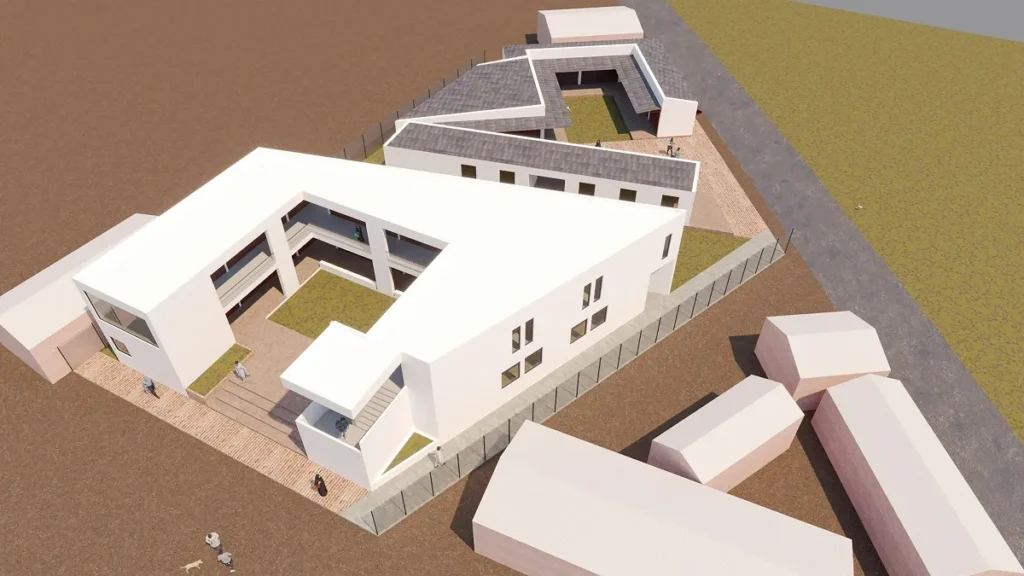
Introduction to Sustainable Planning Design
In a world confronting rapid urbanisation, environmental degradation, and climate change, the concept of sustainable planning design has emerged as a vital framework for shaping the built environment. Unlike conventional development, which often prioritises short-term gains, sustainable planning design seeks long-term solutions that balance the needs of society, the economy, and the environment. This approach integrates eco-friendly materials, energy-efficient technologies, and community-centred planning to create spaces that are both comfortable for inhabitants and gentle on the planet. As global populations swell and cities expand, the call for sustainable design and robust planning compliance measures grows louder than ever.
The Foundations of Sustainable Planning Design
Sustainable planning design is rooted in the intersection of architectural innovation, environmental stewardship, and social responsibility. At its core, it is about making conscious choices at every phase of development, from site selection and layout to material usage and waste management. The main aims are to minimise negative environmental impacts, maximise resource efficiency, and foster inclusive, resilient communities. The foundational principles include:
- Resource Efficiency: Using less energy, water, and materials throughout a project’s lifecycle.
- Minimal Environmental Impact: Protecting ecosystems, reducing emissions, and preserving biodiversity.
- Economic Viability: Stabilising costs through durability, adaptability, and operational savings over time.
- Social Well-being: Promoting healthy, safe, and accessible environments for all demographics.
These principles are embedded into the planning process through thoughtful site analyses, impact assessments, and regulatory frameworks that reinforce sustainable priorities from conception to occupancy.
Historical Evolution of Sustainable Design and Planning
The roots of sustainable planning design trace back to ancient civilisations, many of whom intuitively built with the climate and landscape in mind. Yet, the Industrial Revolution’s hunger for rapid urbanisation led to ecological oversights that now require rectification.
The modern sustainable design movement gained momentum in the late 20th century. Early environmentalists, urban planners, and architects began advocating for green building techniques, passive solar design, and the integration of green spaces in urban environments. The 1987 Brundtland Commission Report popularised the definition of “sustainable development,” fueling new regulations and rating systems, such as LEED (Leadership in Energy and Environmental Design) and BREEAM (Building Research Establishment Environmental Assessment Method).
Over time, city planners and governments started to adopt comprehensive zoning policies and environmental compliance requirements. This shift was further accelerated by the realities of climate change, resource scarcity, and rising urban pollution. As a result, sustainable planning design is no longer a niche concern but a regulatory and ethical imperative within the global development sector.
Core Elements of Sustainable Planning Design
Sustainable planning design incorporates a diverse range of strategies that span both macro and micro scales. The following are central components:
- Site Selection and Land Use: Favouring locations that minimise sprawl, preserve open spaces, and utilise existing infrastructure. Strategic land use planning also includes mixed-use developments that reduce transportation emissions.
- Energy Efficiency: Prioritising orientation for passive solar gain, investing in renewable energy sources (such as solar panels and wind turbines), and adopting smart energy management systems.
- Resource Management: Implementing rainwater harvesting, greywater recycling, low-flow fixtures, and drought-tolerant landscaping to conserve water.
- Materials Sourcing: Utilising local, recycled, and low-carbon materials to limit waste and transportation costs.
- Community Health and Connectivity: Designing spaces that encourage walking, cycling, and the use of public transit; ensuring access to green spaces, healthy air, and natural daylight.
- Resilience and Climate Adaptation: Incorporating features like green roofs, permeable pavements, and flood-proofing to withstand extreme weather events.
The success of sustainable planning design hinges on the seamless integration of these elements at every stage of development, requiring collaboration between architects, planners, engineers, policymakers, and the community.
Planning Compliance: Regulations and Standards
Integral to sustainable design is the concept of planning compliance, the adherence to local, national, and international regulations that safeguard public health and the environment. Compliance involves not only following zoning laws and building codes but also achieving certification goals set forth by green building councils and environmental protection agencies.
Regulatory frameworks differ across countries and regions, yet commonly address:
- Zoning ordinances that determine land use, building heights, density, and setbacks.
- Energy codes that set minimum standards for building insulation, HVAC efficiency, and lighting.
- Environmental impact assessments (EIA) that evaluate potential effects on local habitats, water resources, and air quality.
- Waste management requirements that mandate recycling and responsible disposal of materials before, during, and after construction.
- Building performance standards such as LEED, BREEAM, WELL, and Passivhaus, which provide tiered rankings based on energy usage, water efficiency, indoor environmental quality, and innovation.
Navigating planning compliance is both a technical and administrative process requiring up-to-date knowledge of evolving regulations and the documentation necessary to demonstrate conformance throughout the project lifecycle.
Integrating Sustainable Planning Design with Compliance
While sustainable planning design principles and planning compliance objectives often have clear overlaps, successful integration requires thoughtful coordination. Achieving this alignment involves:
- Early stakeholder involvement: Engaging stakeholders, from community members to regulatory agencies, at the outset ensures the project reflects both sustainable ideals and legal requirements.
- Lifecycle thinking: Considering the impacts of design choices over the full lifespan of the building or community, including future adaptability and end-of-use deconstruction or reuse.
- Transparent documentation: Maintaining detailed records throughout the design, approval, construction, and operation phases facilitates compliance checks and adjustments.
- Performance monitoring: Implementing post-occupancy evaluations and feedback loops helps verify real-world sustainability outcomes and informs future enhancements.
By weaving together the threads of sustainable planning, innovative design, and stringent compliance, practitioners can create built environments that are resilient, compliant, and truly sustainable.
Key Benefits of Sustainable Planning Design
Implementing sustainable planning design brings a multitude of benefits across ecological, economic, and social dimensions. The most significant advantages include:
- Environmental Stewardship: Reduced waste, lower emissions, and protection of biodiversity contribute to ecosystem restoration and climate change mitigation.
- Economic Savings: Though sustainable techniques may require greater upfront investment, they lead to lower operating costs, reduced utility bills, longer building lifespans, and potentially higher real estate values.
- Public Health & Wellbeing: Improved air and water quality, increased access to green space, and better daylighting foster physical and mental health in communities.
- Regulatory and Market Advantage: Projects that comply with (and often exceed) environmental standards are more attractive to investors, tenants, and municipalities, and may qualify for tax incentives or grants.
- Resilience to Climate Change: Sustainable planning design helps communities adapt to floods, heatwaves, droughts, and other evolving environmental risks.
Collectively, these results demonstrate that sustainable planning and design aren’t just ethical choices—they are strategic imperatives for successful, future-proof development.
The Role of Technology in Sustainable Planning Design
Modern sustainable planning design is underpinned by advanced technologies that facilitate data-driven decision-making, performance optimisation, and real-time monitoring. Innovations include:
- Building Information Modelling (BIM): Enables virtual modelling of buildings to simulate energy usage, lighting levels, and material lifecycles, optimising design before breaking ground.
- Smart sensors and controls: Allow for automated regulation of lighting, temperature, and ventilation based on occupancy and environmental parameters.
- Geographic Information Systems (GIS): Support urban analysis, including mapping natural features, identifying heat islands, and guiding land-use planning.
- Renewable energy integration: Sophisticated energy management platforms ensure seamless connection between solar, wind, and grid power sources to minimise dependency on fossil fuels.
- Prefabrication and modular construction: Reduce waste, expedite build times, and enhance quality control by assembling major building components off-site.
Sustainable Design and Effective Planning Compliance
Sustainable planning design has become a central pillar of modern development, shaping how buildings and communities are conceived, constructed, and maintained. By integrating environmental responsibility, efficient resource use, and thoughtful urban planning, sustainable design not only supports ecological balance but also aligns closely with regulatory expectations. When projects are carefully planned with sustainability in mind, they are far more likely to meet planning standards while delivering long-term value for communities, developers, and the environment.
Contact Studio Charrette today to discuss your sustainable planning design with our experienced planning consultants and architectural specialists. Our team can guide you through planning compliance requirements while developing environmentally responsible design solutions that strengthen your planning application and help bring your project forward with confidence.


