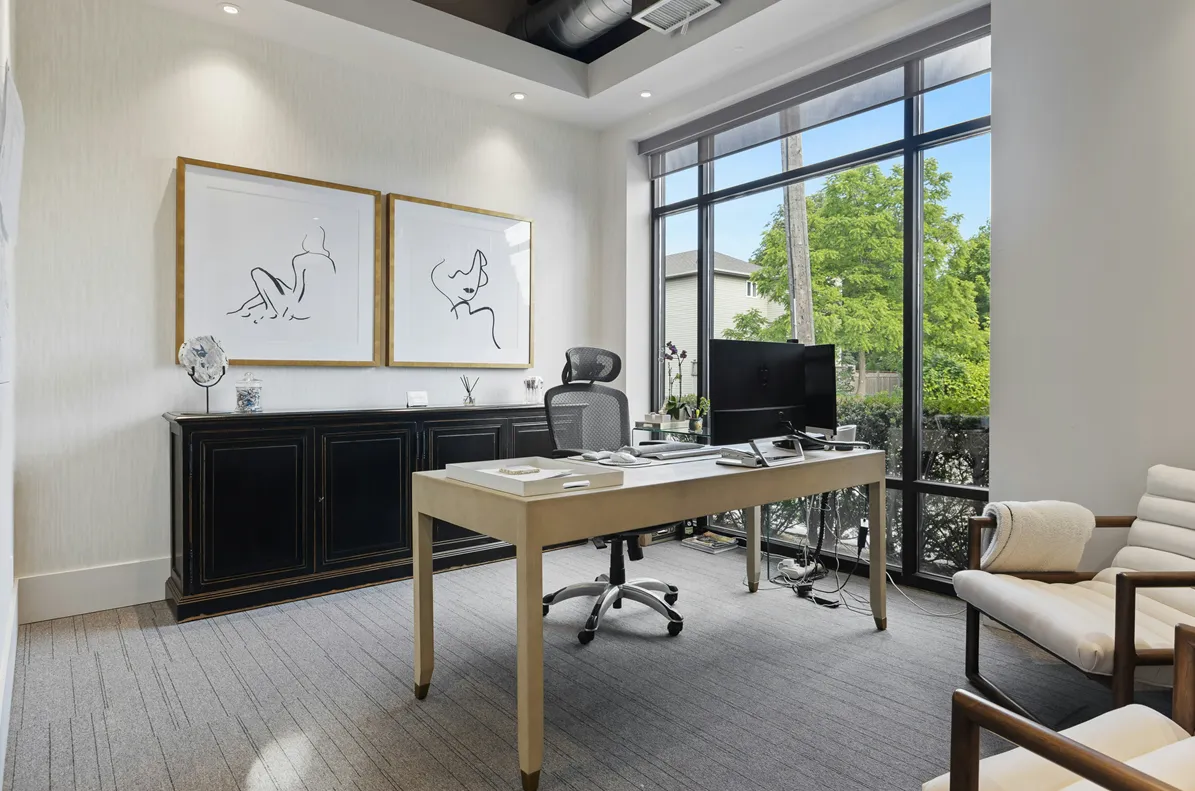
Office to Residential Prior Approval: Navigating the Path of Prior Approval Office Conversion
The UK property landscape has undergone significant transformation in recent years, and one of the most notable shifts has been the growing popularity of office-to-residential conversions. Due to changing work habits, evolving city centres, and a pressing demand for housing, many landlords and developers are increasingly exploring the idea of converting existing office spaces into residential dwellings. However, before setting forth on such a venture, understanding the critical concept of “prior approval” is essential. This article provides a thorough overview of prior approval office conversion, detailing the requirements, process, potential pitfalls, and key considerations, so you can approach your project fully informed.
Understanding Prior Approval: What Is It?
Prior approval is a specific form of permitted development right set out in the Town and Country Planning (General Permitted Development) (England) Order 2015 (as amended). Unlike full planning permission, prior approval allows property owners to undertake certain building works or changes of use – in this context, converting offices (B1(a) use class, now part of the E use class) to residential units (C3 use class) – without going through the full planning process. However, this is subject to securing approval from the local planning authority (LPA) for specific issues, ensuring that any effects on amenity and other matters are properly considered.
The History and Evolution of Office to Residential Permitted Development Rights
Permitted development rights (PDR) for office-to-residential conversion were first introduced in 2013 by the UK government, aiming to boost housing supply by making it easier to convert underused office stock into homes. Originally planned as a temporary measure, these rights have been made permanent, albeit with several updates and increased stipulations. The extension and adaptation of these rules reflect a continuous balancing act between providing much-needed homes and retaining vital business premises, with ongoing adjustments expected as urban economies and work patterns continue to evolve.
Is Prior Approval Office Conversion Right for Your Property?
If you own or manage an office building and are considering a conversion to residential, it’s essential to establish whether your property and intentions fall within the scope of permitted development rights or if a full planning application is necessary. Several eligibility criteria determine whether you can proceed under the prior approval process:
- The building must have been in lawful office use (B1(a), now Class E) on or before 29th May 2013, or if vacant, its last use should have been as an office.
- Premises cannot be listed or located within certain protected areas, such as conservation areas, National Parks, Areas of Outstanding Natural Beauty, or within the curtilage of a listed building.
- Local authorities can remove permitted development rights for specific sites through an Article 4 Direction, requiring normal planning permission instead.
The Prior Approval Process Explained
The central thrust of the prior approval office conversion system is to streamline development while safeguarding the public interest. Here’s an overview of how the process works:
- Submit a prior approval application to your local planning authority. This must include specific documentation, such as existing and proposed floor plans, site plans, and a covering letter describing the proposal.
- The LPA will examine key issues, including:
- Transport and highways impacts
- Contamination and flooding risks
- Noise impact from commercial premises on prospective residents
- Provision of adequate natural light in all habitable rooms
- Fire safety for buildings over 18 metres (required since 2021 amendments)
- External design (for some larger conversions)
- After a 56-day consultation period, the LPA must notify you of its decision – either granting prior approval, refusing it, or requesting further information.
If approval is granted, you may carry out the conversion according to the details submitted.
Prior Approval Office Conversion: Key Considerations for a Successful Application
Securing prior approval is not a mere formality; it requires careful preparation and a thorough understanding of potential issues. Consider the following:
- Highways and Transport: Assess whether the conversion will increase traffic or parking demand, and how site access will be managed. A transport statement may be required.
- Contamination: If the site has an industrial history, a Phase 1 environmental assessment may be needed to rule out ground contamination that could affect new residents.
- Flood Risk: If the property lies within a flood zone, provide a flood risk assessment demonstrating that residential use is viable and safe.
- Noise Mitigation: Demonstrate through acoustic surveys or design statements how prospective dwellings will be insulated from surrounding noise sources, particularly if other commercial uses remain nearby.
- Natural Light: Since August 2020, all habitable rooms must have adequate natural lighting. Detailed plans and technical specifications are often required to prove compliance.
- Fire Safety: For buildings over 18 metres, a fire safety statement must be submitted in accordance with Part B of the Building Regulations.
- Neighbour Consultation: The LPA will consult neighbouring properties. Early engagement can minimise objections and delays.
- Design and Amenity: Some local authorities scrutinise the external appearance of conversions, particularly where proposals materially affect the building’s façade or public realm.
Exclusions, Restrictions, and the Role of Article 4 Directions
While prior approval office conversion powers are available widely, a number of important restrictions and limitations apply:
- Protected Areas: As previously noted, buildings in conservation areas, National Parks, Areas of Outstanding Natural Beauty, Sites of Special Scientific Interest, World Heritage sites, and the Broads are not eligible for office-to-residential permitted development rights.
- Size Limits: For some forms of permitted development, there are restrictions on the maximum floor area that can be converted in a single application.
- Article 4 Directions: Local councils have the power to remove permitted development rights for certain areas by issuing Article 4 Directions, usually to protect vital employment areas. In such cases, a full planning application is required.
- Listed Buildings: Listed buildings and those within their curtilage are also excluded from prior approval office conversion rights.
- Current Use and History: The property must have genuinely been used as an office (B1 (a) or Class E) prior to the relevant cutoff date.
Failure to meet these criteria can lead to rejection before any technical matters are even considered. Always confirm eligibility with your local planning authority before making an application.
Costs, Fees, and Timescales for Prior Approval Applications
While prior approval is less complex and generally less expensive than seeking full planning permission, it does carry its own set of costs and timescale expectations:
- Application Fee: As of 2024, the fee for a prior approval office conversion typically stands at £96 per application (where applicable, confirm with your LPA for updates).
- Professional Reports: Depending on the project, you may need to commission specialist surveys or statements, including flood risk, transport, noise, or fire safety reports, adding to your upfront costs.
- Legal and Design Fees: Engage experienced planning consultants, architects, and, if necessary, legal advisors to prepare and submit your application and design documents. Their involvement increases your chance of a positive, timely result.
- Timescales: Once submitted, the LPA has 56 days (eight weeks) to determine your application. If they do not issue a decision in this period, you may be able to proceed by default, although it’s best to seek formal written confirmation before commencing works.
Factoring in preparation, consultation, and determination, most prior approval office conversion projects require several months from idea to approval, although this is still swifter than most full planning cycles.
Common Pitfalls and How to Avoid Them
While many office-to-residential conversions achieve prior approval without difficulty, there are several recurrent reasons for rejection:
- Inadequate Information: Failing to provide all necessary documentation or technical reports.
- Poor Design: Proposals that do not provide sufficient daylight, contain sub-standard layouts, or result in poor living conditions are likely to be rejected under amenity requirements.
- Flood or Contamination Risks: Overlooking flood and contamination assessments can lead to outright refusal in sensitive locations.
- Transport Impact: If the conversion leads to increased on-street parking or traffic congestion with no mitigation measures, the LPA may refuse the application on highways grounds.
Securing Prior Approval for Office to Residential Conversions
Office to residential conversions present a significant opportunity for property owners and developers to repurpose underutilised office space into much-needed housing. As the UK property market continues to adapt to changing work patterns and urban demands, the prior approval route has become an increasingly popular and efficient pathway for delivering residential developments without the full planning permission process. However, as outlined in this guide, successfully navigating a prior approval office conversion requires a clear understanding of eligibility criteria, planning regulations, and the technical considerations assessed by local planning authorities.
The prior approval process is governed by legislation such as the Town and Country Planning (General Permitted Development) (England) Order 2015 and operates within the wider framework of the National Planning Policy Framework. In addition, restrictions such as Article 4 Direction may remove permitted development rights in certain areas, requiring developers to pursue full planning permission instead. Because of these complexities, careful feasibility analysis, strong supporting documentation, and a well-prepared application are critical to achieving approval and avoiding costly delays or refusals.
At Studio Charrette, our planning consultants specialise in office to residential prior approval applications across the UK. We support developers, investors, and property owners through every stage of the process—from initial feasibility assessments and planning strategy to preparing prior approval submissions and managing communications with local planning authorities.
If you are considering an office to residential conversion, contact Studio Charrette today to discuss your project and discover how our planning experts can help you secure prior approval and unlock the development potential of your property.